
June 10, 2026
How to Email a Nonprofit and Actually Get a Reply
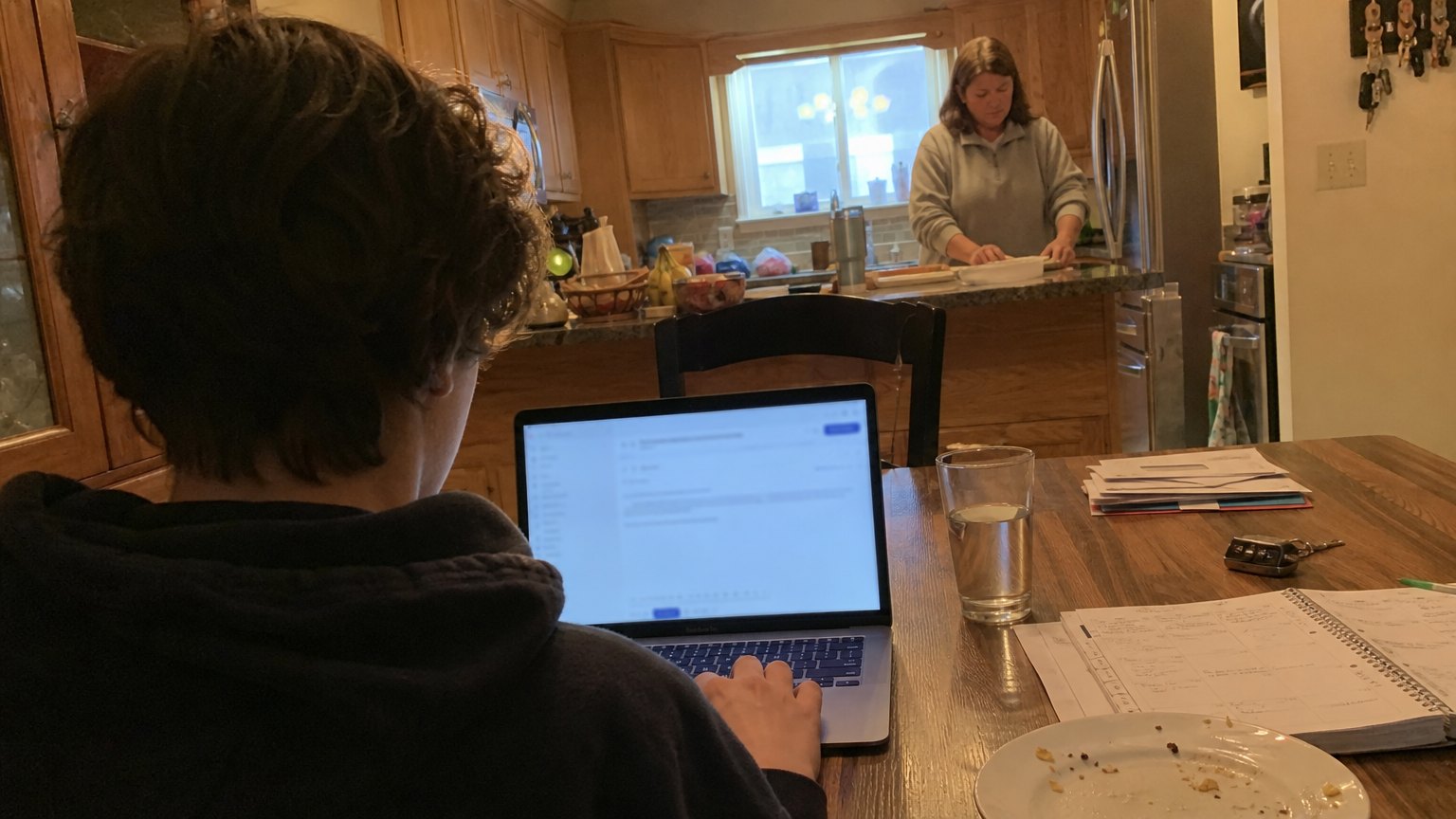
My first volunteer email got no response. So did my second, third, and fourth.
I was 15 and convinced nobody wanted teenage help.
Then a program director at a food pantry wrote back, and months later she told me why she had answered mine and deleted the others in her inbox that week. My email said when I could come.
Everyone else had asked whether they could help. She had 40 of those. She had no time to schedule any of them.
Why student emails get ignored
Volunteer coordinators at small nonprofits are usually one person doing three jobs. Some organizations have no coordinator at all, and volunteer email goes to a director who reads it between meetings.
An email that creates work for a coordinator gets postponed to a day that never arrives.
"How can I help?" creates work. Someone has to think of a role, check whether minors can do it, and find a shift.
"I'm available Saturdays 9 to 12 starting in October, I'm 16, and I can sort donations" reduces work. Someone has to say yes or no.
That is what decides whether you get a reply.
The template
Copy this and change the details. It is roughly what I ended up using for everything after that first month.
Subject: High school volunteer available Saturday mornings
Hi [Name],
I'm Spencer, a junior at [School] in [Town]. I'm looking for a regular volunteer commitment this fall, and [Organization] came up because [one specific, true reason].
I'm 16, and I'm free Saturdays from 9 to 12 and Wednesday afternoons after 3:30. I can commit through June.
I've [one line of relevant experience, or a skill you have]. I'm comfortable with [2 specific tasks you could do].
Would any of that be useful to you? If a different time or role works better, I can adjust.
I also need my hours verified for school, so I wanted to check whether you sign forms or write letters before I get started.
Thanks for your time, Spencer [phone number]
6 things that template does on purpose
-
The subject line states the offer. A coordinator scanning 60 emails can triage yours without opening it.
-
It names a specific reason. "Your pantry serves the neighborhood my grandmother lives in" beats "I'm passionate about fighting hunger." Specific reasons read as real because they are.
-
It gives your age up front. This is the first thing they need to know and the thing that determines whether they can use you at all. Burying it wastes a round trip.
-
It gives real availability. Actual days and times, plus how long you can commit. Coordinators think in shifts.
-
It names tasks. Sorting, shelving, setup, data entry, tutoring, translation. Naming tasks lets them picture you in the building.
-
It asks about verification early. Asking on day one is normal. Asking after 40 hours is awkward for both of you.
What to leave out
Skip the paragraph about how service has always been important to you. Every coordinator has read it a thousand times, and it delays the useful information.
Skip your GPA and your class rank. They are not admitting you.
Skip the attached resume unless they asked. It converts a 30 second read into a 5 minute task.
Skip "I need 40 hours by May." Even when it is true, leading with your deadline tells them you will disappear the moment it is met. Mention the requirement only in the verification sentence at the end.
Following up without being annoying
3 follow-up rules
-
Wait 7 business days. Nonprofit inboxes move slowly, especially in December and during their busiest program season.
-
Reply to your own email rather than writing a new one. It keeps the thread together and reminds them of the details without repeating yourself. Two sentences: "Just following up on this. Still available Saturdays if it would help."
-
Stop after the second follow-up. Silence after two attempts means the answer is no, or the person is buried. Neither one is about you. Move to the next organization.
Send 5 emails, expect 2 replies, expect 1 to work out. That ratio held for me for three years. Sending 1 email and concluding that nobody wants student volunteers is the mistake I made at 15.
Calling instead
For town recreation departments, small congregations, and family-run community programs, a phone call works better than email. Those organizations often have no one monitoring an inbox.
Call between 10am and 2pm on a Tuesday, Wednesday, or Thursday. Say the same things the template says, in the same order. Have your availability written down in front of you.
Frequently asked questions
Should my parent send the email? No. RWJUH New Brunswick's teen volunteer program explicitly requires the student to email rather than the parent, and most programs feel the same way even when they do not say it. Coordinators want to see that you can communicate.
What email address should I use? Your own, with a normal name in it. School addresses are fine and sometimes blocked from receiving outside mail, so test it or use a personal one.
What if I have no experience at all? Say what you can do rather than what you have done. Reliability, a bus route, a language, a Saturday morning, and a willingness to sort boxes are real qualifications for most roles.
How many organizations should I email at once? Five. Send them all in one sitting so a slow reply from one does not stall your whole search.
Send 5 today
Open your email, copy the template, and change the details 5 times.
It takes 20 minutes and it is the entire bottleneck.
How many are you sending tonight?