June 3, 2026
9 Virtual Volunteer Opportunities for High School Students That Actually Count
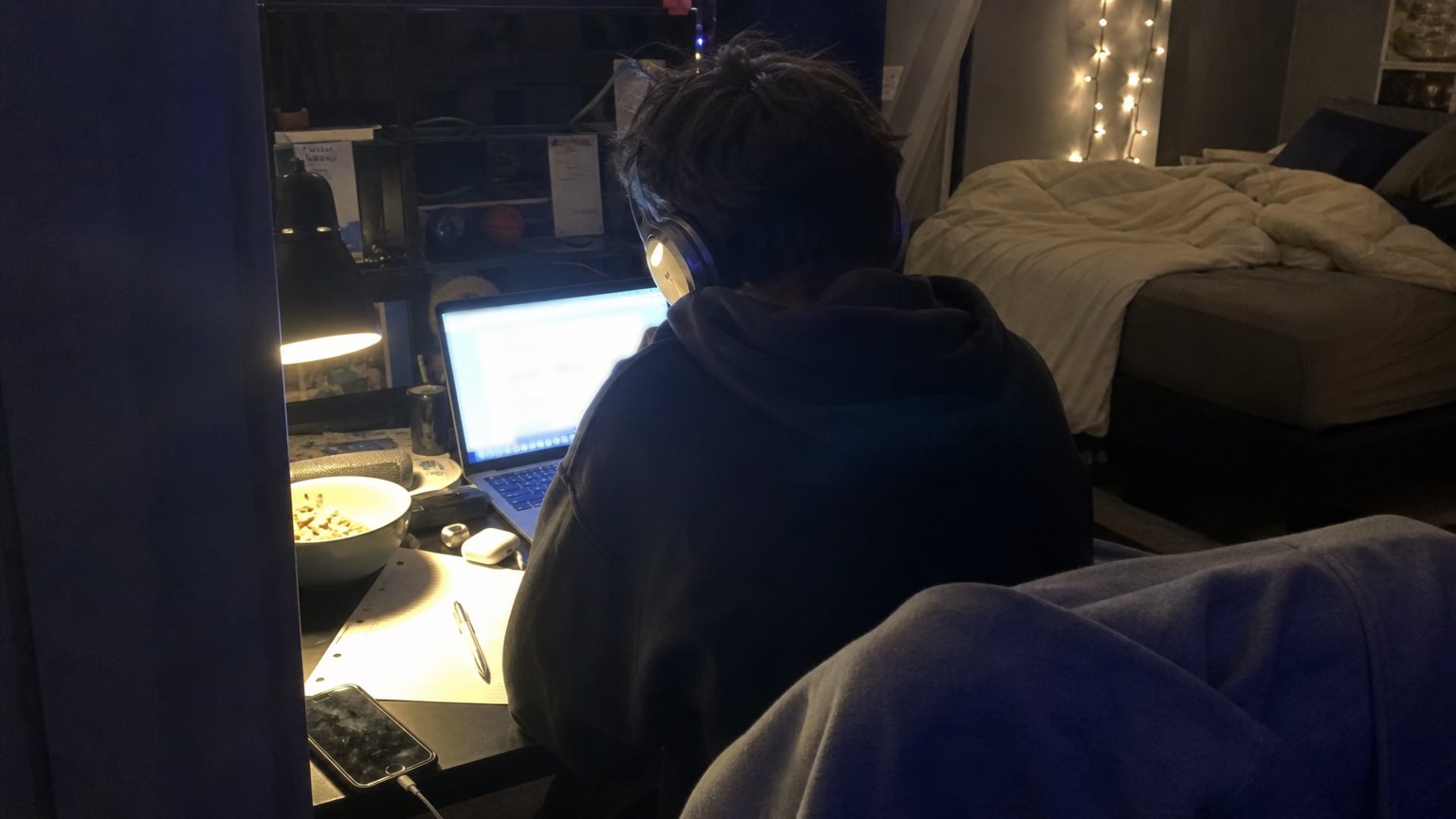
I signed up for 4 remote volunteer platforms during a stretch when I had no ride to anything.
Three of them rejected me for being 17. The fourth accepted me and then told me they could not verify hours for school.
Virtual volunteering works. The listings just do not tell you the two things that decide whether it will work for you: the age floor and whether anyone will confirm your hours in writing.
The 2 questions to ask before you sign up
Ask both before you invest a single hour.
First, does this platform accept volunteers under 18? Many of the best known ones do not, and they will let you create an account before telling you.
Second, will someone verify my hours in a form my school accepts? Some platforms give you a data export. Some sign forms. Some do neither.
A platform that fails either question is fine as a hobby and useless as service hours.
Where under-18 students can actually volunteer remotely
9 remote options open to high school students
-
Smithsonian Digital Volunteers. Minimum age 14. You transcribe historical documents, field notes, and records from Smithsonian collections. The Transcription Center gives you a downloadable "My Work" report with timestamps. Staff will not sign school forms, so check whether your counselor accepts the report on its own.
-
Zooniverse. Citizen science across astronomy, ecology, climate, and history projects. Zooniverse published guidance for students needing service hours: capture your personal stats and use a classification-to-hour conversion, roughly 20 to 75 classifications per hour depending on the project. Three named projects issue certificates. Ask your counselor first.
-
UPchieve. Free online tutoring for students who need it. They verify hours three ways: integration with tracking platforms, signing school forms if you email their support team, or a verification letter on letterhead within 8 business days. Confirm their current volunteer age minimum before you apply, because it is not stated on their verification page.
-
DoSomething. Ages 13 to 25, US based. Campaigns you complete online, several of which are tied to scholarship drawings. Good for project-style service rather than logged hours.
-
Idealist remote listings. VolunteerMatch merged into Idealist, and the old virtual volunteering link now redirects there. Filter for remote, then read each listing's age requirement individually. Some accept 16 and up.
-
Peer tutoring through your own school. The most reliable remote option nobody thinks of. Your school's tutoring coordinator can set you up, and verification is automatic because your school runs it.
-
Nonprofit social media and design help. Small organizations need graphics, captions, newsletters, and website updates. Age minimums rarely apply because the work is remote and unsupervised by nature. You have to ask directly rather than find a listing.
-
Translation and captioning for local nonprofits. If you speak a second language, community organizations in North Jersey need flyers, intake forms, and event notices translated. Spanish, Portuguese, Korean, Gujarati, and Arabic are all in demand across Essex, Hudson, and Bergen counties.
-
Remote research and data entry for small nonprofits. Grant research, donor list cleanup, volunteer database updates. Unglamorous, genuinely needed, and easy to verify because a staff member assigns and reviews it.
The platforms that will turn you down
Save yourself the application.
3 well-known platforms that require 18 and up
-
Crisis Text Line. Requires 18, a US Social Security number, a US address, a background check, and a desktop computer. Students find this one constantly and cannot use it.
-
UN Online Volunteering. Requires 18. Assignments run up to 12 weeks with a maximum of 20 hours a week, and host organizations issue an electronic certificate.
-
Translators without Borders, now CLEAR Global. Requires 18.
All three are worth remembering for after graduation.
How to document remote hours
Remote service gets questioned more than in-person service, because there is no supervisor who watched you.
Screenshot your platform stats at the end of every month with the date visible. Keep a log with dates, times, and what you produced. Save the actual work: the transcription count, the tutoring session summaries, the finished graphic.
For nonprofit work you arranged yourself, get an email from the staff member who assigned it, stating dates and hours. That email is your letter.
Then ask your counselor, in writing, whether remote hours count in your district and what documentation they need. Districts vary more on this than on anything else.
Frequently asked questions
Do remote hours count for National Honor Society? Chapters decide individually. Many count them, some cap them at a percentage of your total, some exclude them. Ask your adviser before you build a plan around it.
Can I do all my hours remotely? Some districts allow it. Many require a portion in person. Even where remote is fully accepted, mixing in one in-person commitment gives you a supervisor who can write a recommendation letter, which remote work rarely produces.
Is remote volunteering easier? The work is often easier to schedule and harder to sustain. Nobody notices when you skip. The students who succeed at it treat it like a standing appointment.
What if my platform will not verify hours? Ask your counselor whether a data export plus your own log is acceptable. Get that answer before you spend 40 hours on it.
Start with the verification question
Pick one option from the list, then send one email asking exactly how they handle school hour verification.
Their answer decides whether you spend your semester there.
Which one are you emailing?