
April 1, 2026
Do You Need Working Papers to Volunteer in New Jersey?
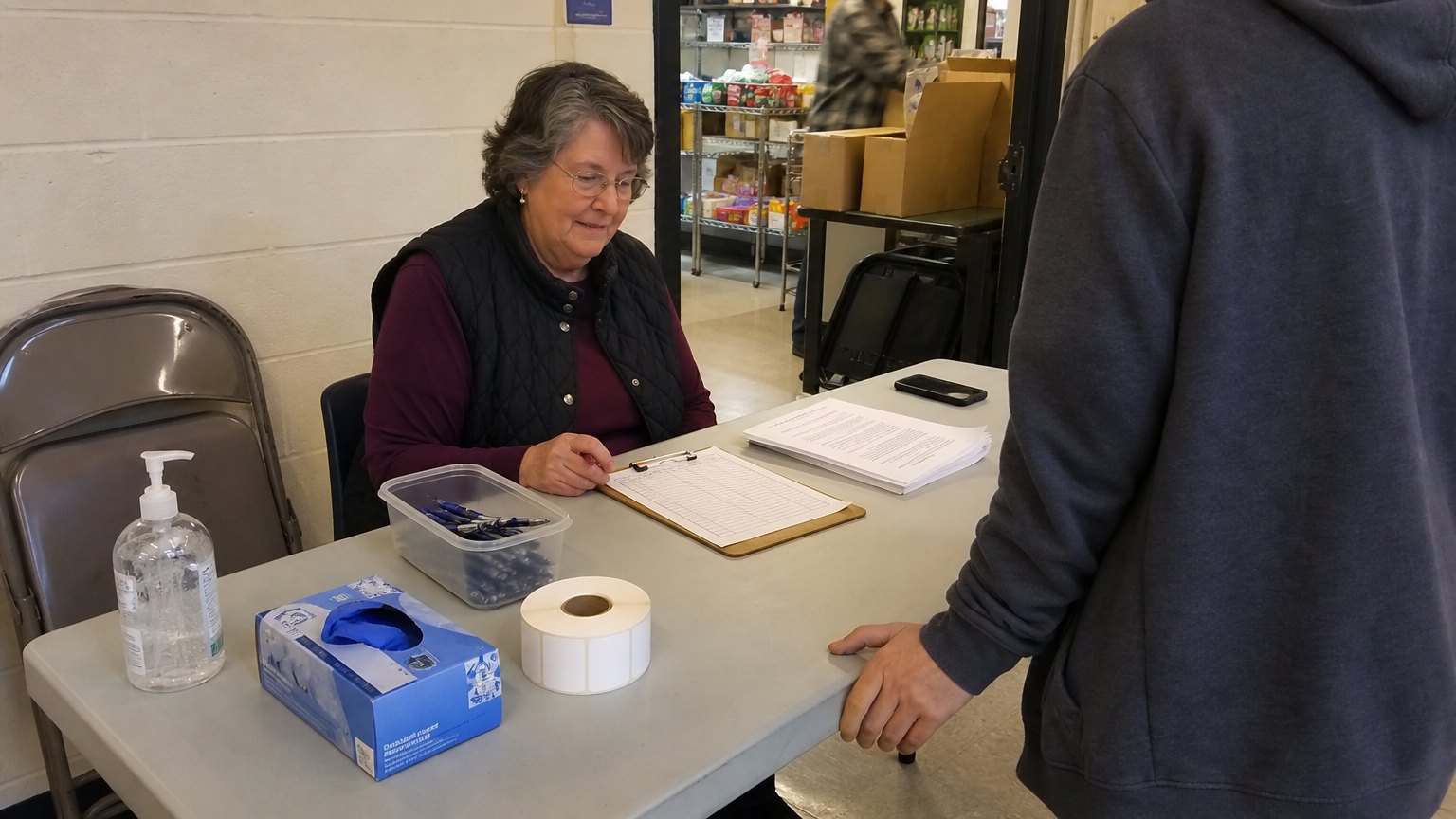
A student emailed me last spring because a food pantry had asked her for working papers before her first shift.
She spent 3 weeks going back and forth with her school office, missed the volunteer orientation, and eventually gave up on the placement.
She never needed the papers. Neither did the pantry.
The actual rule
The New Jersey Department of Labor and Workforce Development states it directly: minors only apply for working papers after receiving an offer of employment, and minors who are volunteering or helping without receiving monetary compensation are not required to apply for minor working papers.
Working papers exist to regulate paid employment of minors. Hours, hazardous occupations, and the age at which a young person can be employed. None of that framework applies to unpaid service.
There is one exception. Minors working under theatrical permit guidelines need a permit whether or not they are paid. That covers performance and production work, and it does not cover volunteering at a library, a pantry, a hospital, or a shelter.
Why organizations ask anyway
Usually because somebody in the office is being careful and does not know the rule.
Volunteer coordinators handle liability paperwork constantly. When a minor shows up, "get working papers" sounds like the safe answer, and the person saying it has no reason to have read the labor code.
Occasionally the confusion is real. Some programs blur the line between volunteer roles and stipend positions. Summer camp counselor-in-training programs are the common case: some are unpaid volunteer roles, some pay a stipend, and the paid ones do require working papers.
If money is changing hands in any direction, including a gift card or a stipend, you are an employee for this purpose and you need the papers. You also cannot count those hours as community service.
How to handle the request
4 steps when an organization asks for working papers
-
Confirm the role is unpaid. Ask directly whether there is any compensation, stipend, gift card, or meal allowance beyond a volunteer lunch. If there is, the answer changes.
-
Send them the state's language. Politely: "My understanding from the New Jersey Department of Labor is that minors volunteering without compensation are not required to apply for working papers. Is there a different form you need from me?" Reference the state, not an argument.
-
Ask what they actually need. Almost always they need a guardian consent form, an emergency contact, and sometimes a liability waiver. Naming those gives them an easier yes.
-
Get it in writing and move. If they insist after a polite correction, decide whether the placement is worth it. Working papers are free and processed through your school, so complying is possible. Whether it is worth 3 weeks depends on the role.
What organizations legitimately will ask for
5 documents that are normal for teen volunteers
-
A guardian consent or waiver form. One page, signed by a parent or guardian. Universal for volunteers under 18.
-
Emergency contact information. Standard everywhere.
-
Health documentation for clinical settings. Hospitals require immunization records, a TB screening, sometimes a flu shot, and sometimes a drug screen. RWJUH New Brunswick requires all of that for teen volunteers.
-
A background check for certain roles. Uncommon under 18, but some programs working with children or vulnerable adults require it or require the accompanying adult to have one.
-
Proof of age. A school ID or birth certificate copy, so they can confirm you meet the role's minimum.
All of these are reasonable. Working papers are the one request that is not.
While we are here: age minimums are not a law either
Students sometimes assume state law sets the 16 and up rule they keep hitting.
It does not. Those minimums come from the organization's insurance policy, its supervision capacity, and the specific hazards of the task. That is why they vary so widely: the Community FoodBank of New Jersey accepts volunteers at 12 with a chaperone, Habitat of Greater Newark at 14, St. Hubert's at 16 for non animal handling roles, and most hospital systems at 15 or 16.
Since these are organizational policies rather than law, they occasionally bend for a specific role or a student with a sponsor. Asking costs you one email.
Frequently asked questions
Do I need working papers for a school-required service placement? No. School service requirements are unpaid, and the state rule applies.
What if the role becomes paid later? Then you apply for working papers at that point, through your school, after receiving the offer. Hours worked for pay do not count as community service.
Does a stipend count as pay? Yes, for both questions. A stipend makes you an employee for working paper purposes and disqualifies the hours as service.
Where do I get working papers if I do need them? Through your school district, after an employer offers you a position. The New Jersey Department of Labor's youth worker pages have the current process.
Does any of this change at 18? Working papers stop applying entirely at 18. Volunteer age minimums stop applying too, and most of the roles closed to you open up.
Send the email
If an organization has asked you for working papers, send them the polite correction today.
Three weeks of confusion cost a student I know an entire placement.
What paperwork are you stuck on right now?