
July 29, 2026
New Jersey Hospital Volunteer Programs for Teens: Ages, Hours, and How to Apply
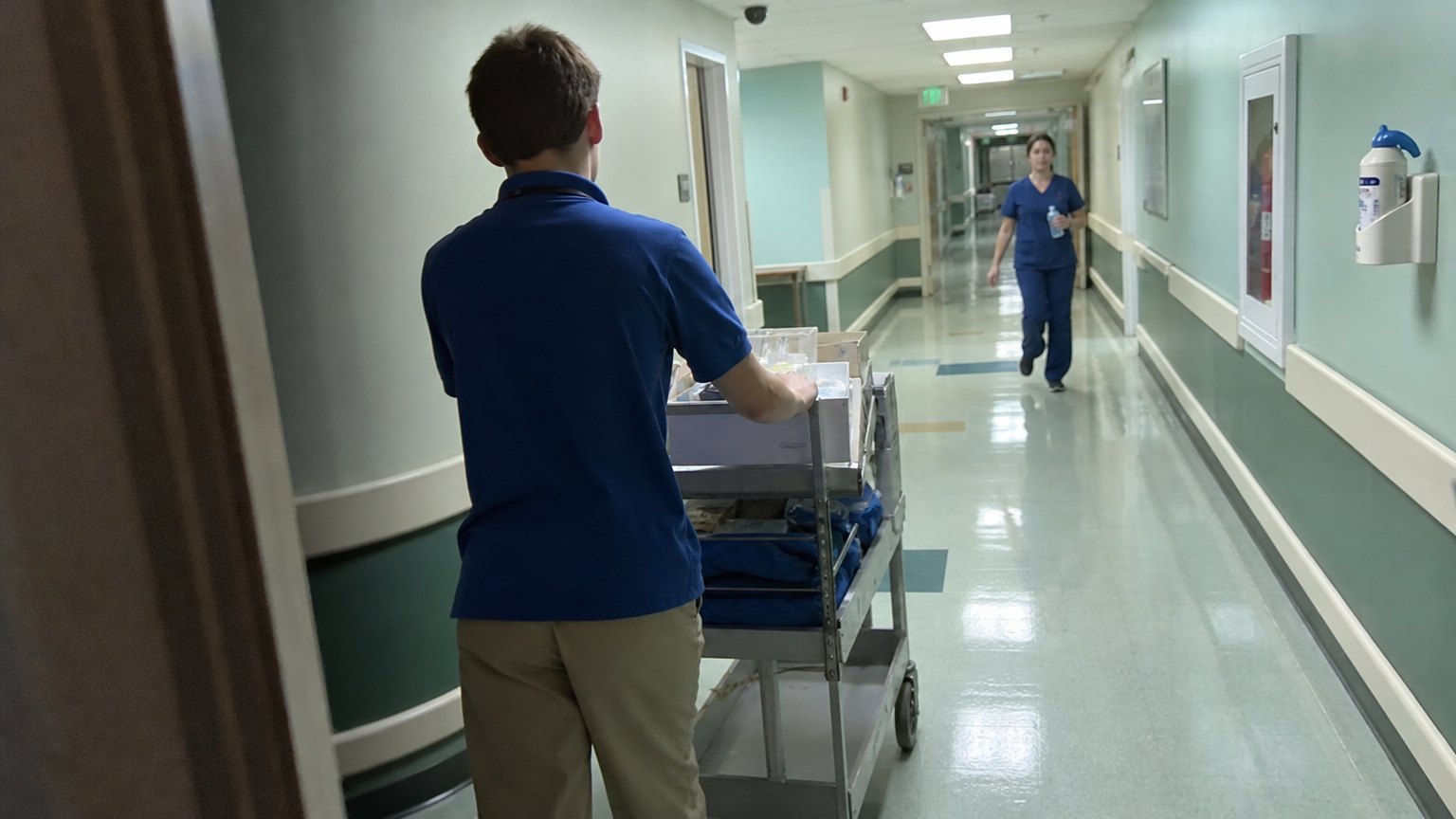
Hospital volunteering is the most requested thing on this site and the hardest to get into.
The programs are competitive, the paperwork is medical, and the deadlines run months earlier than students expect. I missed my first one by 3 months because I started looking in June.
The programs are also worth the trouble. A hospital gives you a badge, a supervisor, training, a defined unit, and a real role, which is more structure than nearly any other teen volunteer setting in New Jersey.
Age minimums at New Jersey hospitals
These vary more than students assume, so check each hospital individually rather than assuming 16.
4 New Jersey hospital programs and their requirements
-
RWJUH New Brunswick teen volunteers. Minimum age 15 with ninth grade completed. Requires a 100 hour annual minimum. Shifts from 4 to 6pm are open at 15, and 6 to 8pm shifts require 16. Health requirements include a TB screening, immunization records, a flu shot, and a drug screen. The program requires the student to email rather than the parent.
-
Hackensack Meridian Health. Minimum age 16, restricted to the junior volunteer program. All other volunteer roles require 18. Unit Support positions are 18 and up.
-
Capital Health junior and summer volunteer programs. Minimum age 15. The 2026 summer program ran July 6 through August 28 with a 56 hour minimum. Applications closed well before the start date.
-
Holy Name junior volunteers. Ages 16 to 18, grades 9 through 12. A 6 month, 75 hour commitment with two intakes a year, summer and winter. Students are directed to check back in October for the winter session.
Every hospital system in the state sets its own policy. Call or email the volunteer services office at the hospital nearest you and ask three questions: what is the minimum age, when do applications open, and what health documentation is required.
The health paperwork is the real deadline
Students underestimate this every year.
A clinical setting typically requires immunization records, a TB screening, sometimes a flu shot in season, and sometimes a drug screen. Your doctor's office may take 2 to 3 weeks to produce records. A TB test requires two visits several days apart.
If a program closes applications March 1 and you start gathering records February 20, you will miss it.
5 documents to gather before you apply anywhere
-
Full immunization record. Request it from your pediatrician's office and from your school nurse, whichever is faster. Ask for it as a PDF.
-
TB screening results. Ask your doctor how their office handles it and how many visits it takes.
-
Flu vaccination record, if you are applying for a season that requires it.
-
A signed parent or guardian consent form. Every program under 18 requires one. Bring it home the day you get it.
-
A reference contact, if the program asks. A teacher, coach, or previous volunteer supervisor. Ask them a month before the deadline.
The application timeline that works
Hospital and library summer slots generally fill between February and May for a late June or July start.
Working backward from that: build your list in January, email for application windows in February, submit in March, confirm in May.
Programs with rolling admissions exist. RWJUH accepts applications year round. Those are worth applying to any time, and worth applying to early anyway, because cohorts fill.
What teen hospital volunteers actually do
Set your expectations correctly and you will enjoy it more.
You will not observe surgery. You will not shadow physicians. Junior programs are designed around non-clinical support: delivering flowers and mail, transporting discharged patients in wheelchairs, stocking supplies, staffing information desks, escorting visitors, working in the gift shop, and assisting in administrative offices.
The value is in the setting and the supervision. You learn how a hospital runs, how staff talk to patients, and how to be useful in a place where being useless is expensive. A student who does 100 hours of that well is often invited into better roles the following year.
If hospitals are not an option
Age, transportation, and competitive cohorts turn plenty of students away. Healthcare-adjacent service exists elsewhere.
Senior centers and assisted living facilities take younger volunteers and are chronically short. Hospice organizations have volunteer roles, some open at 16, though most require training. Blood drives need registration and canteen volunteers. Community health screenings need setup, translation, and intake help. Special needs recreation programs, like the therapeutic summer camps in Essex County, take volunteers at 16.
Any of these give you the setting and the supervisor. Then apply to the hospital next year with a year of proof behind you.
Frequently asked questions
Can I volunteer at a hospital before I turn 16? Sometimes. RWJUH New Brunswick starts at 15 with ninth grade completed, and Capital Health's junior program starts at 15. Most others require 16. Check each one.
Do hospital hours count for school requirements? Yes. Hospital volunteer offices are experienced with student paperwork and will sign forms or write letters. Confirm the process during orientation.
Are these programs paid? No. They are volunteer roles. Paid hospital positions for teens are rare and separate.
Do I need working papers? No. New Jersey does not require working papers for unpaid volunteer work.
How competitive are they? Varies by hospital and season. Summer cohorts are the most competitive. Fall and winter intakes at the same hospital are often easier to enter, and once you are in the system, continuing is straightforward.
Call one this week
Pick the hospital nearest you and call the volunteer services office.
Ask the three questions: minimum age, application window, health requirements.
That call takes 6 minutes and saves you a missed summer.